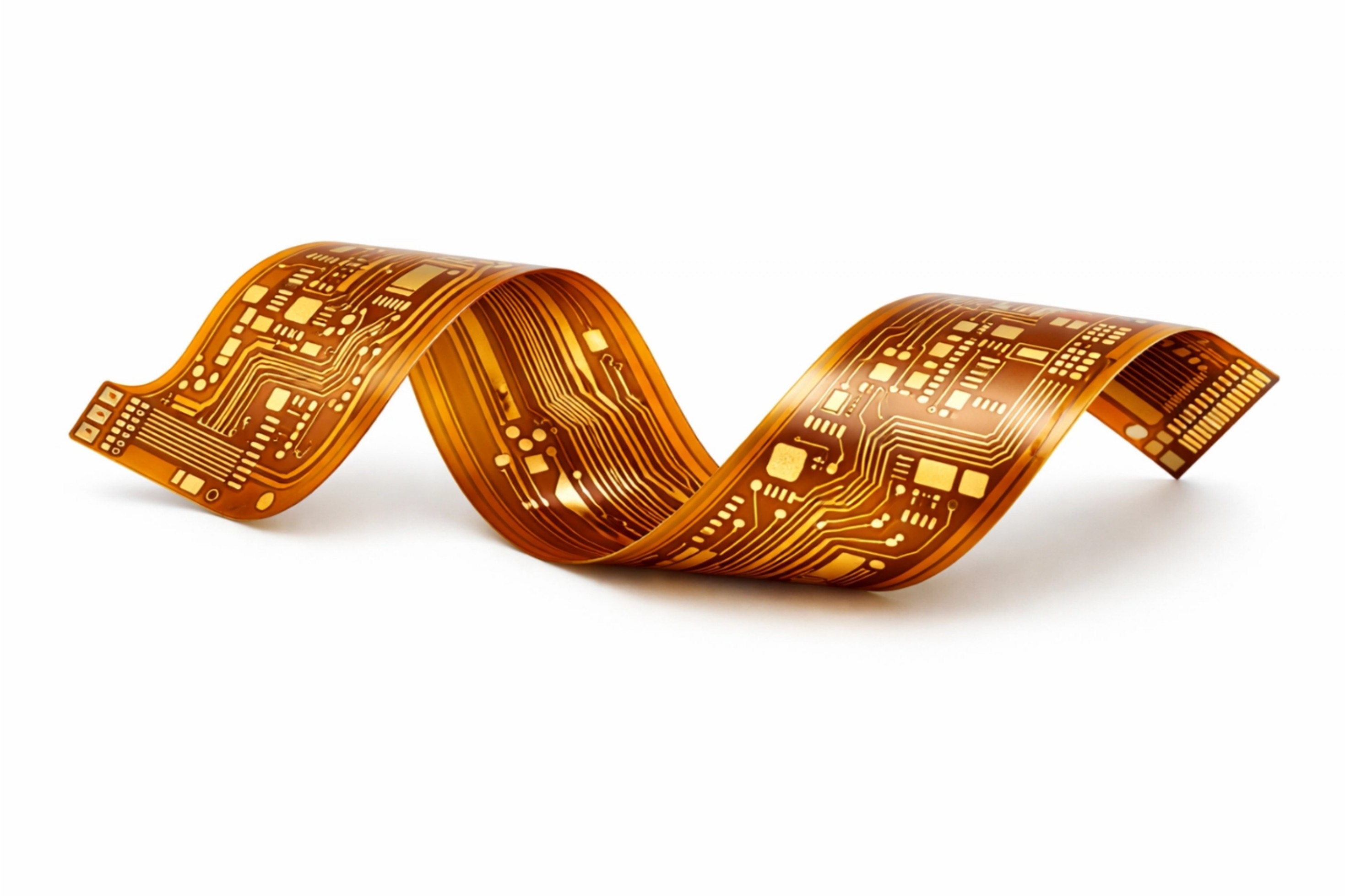
Flexible PCBs
High-Reliability Flexible PCB Manufacturing Solutions
Supporting 1-4 layers with 25µm, 50µm dielectric thickness options and transparent FPC, adhesive-free substrate. In-house production and smart manufacturing deliver cost savings, high reliability, and superior flexibility for your designs.
What is Flexible PCB?
Flexible PCB, often referred to as FPC (Flexible Printed Circuit) or Flex Circuit, is a type of circuit board designed to be bent, twisted, and folded.
Unlike rigid boards made of fiberglass, Flex PCBs are constructed using high-performance flexible plastic substrates, most commonly Polyimide (PI). This unique structure allows the circuitry to fit into tight three-dimensional spaces, connect moving parts, and withstand dynamic mechanical stress, making them the "nervous system" of modern compact electronics.
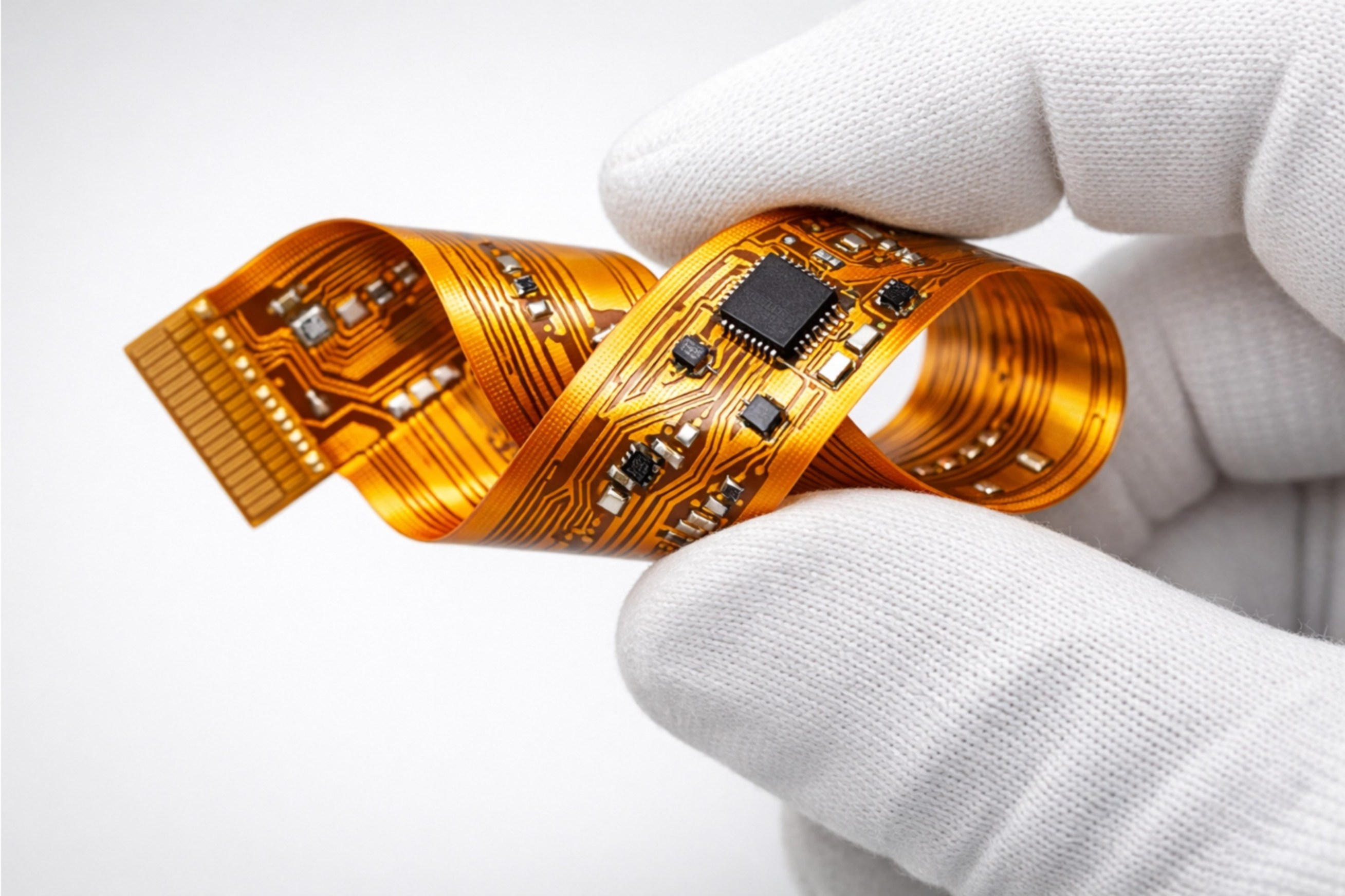
Types of Flexible PCB
At RUNHI, we provide various FPC structures to solve different interconnect challenges:
- Single-Sided Flex Circuits: The most basic structure consisting of a single layer of conductive copper bonded between two layers of insulating Polyimide. Ideal for static applications or dynamic flexing.
- Double-Sided Flex Circuits: Two copper layers with Plated Through Holes (PTH) connecting them. This allows for higher circuit density and more complex layouts.
- Multi-Layer Flex Circuits: Three or more layers of conductors. These are used for highly complex electronics where shielding and high-density routing are required.
The Benefits of Flexible PCB
Why switch from rigid boards or cable harnesses to Flexible PCBs?
- High Flexibility - withstands repeated bending without damage.
- Lightweight and Thin - saves space and reduces overall device weight.
- Durability - resistant to vibration, thermal stress, and dynamic movement.
- Design Versatility - supports complex layouts with fewer connectors and cables.
Common Applications of Flexible PCB
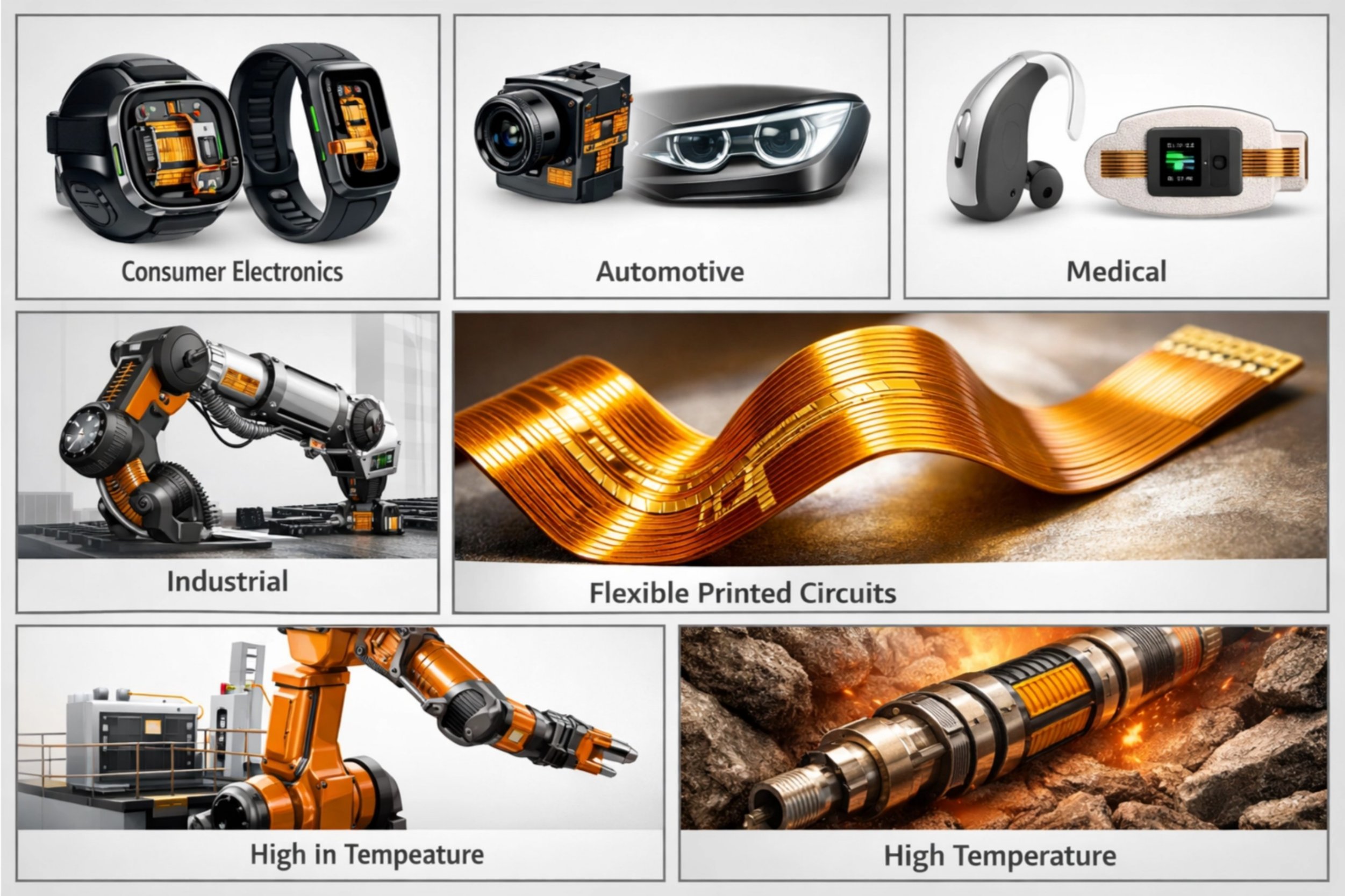
Flexible PCBs are the backbone of miniaturized and wearable technology:
- Wearable Technology: Smartwatches, Fitness trackers, VR/AR Headsets.
- Mobile Devices: Smartphones (folding screens), Tablets, Laptop hinge connections.
- Automotive: LED lighting strips, Sensors in seats, Dashboard connections.
- Medical Devices: Hearing aids, Endoscopes, Ultrasound probes, Implantable devices.
- Cameras & Optics: Lens focus modules, Digital camera shutters.
Why Choose RUNHI as Your FPC Manufacturer?
Manufacturing Flexible PCBs requires specialized equipment and precise handling that differs significantly from rigid boards. RUNHI offers expert FPC fabrication with a focus on precision and material quality.
RUNHI Flexible PCB Manufacturing Capabilities
Feature | Capability Specification |
Layer Count | 1-layer, 2-layers, 4-layers |
Base Material | Polyimide (PI) |
Minimum Dimensions | No limit. Panel suggested if dimension<20×20mm. |
Maximum Dimensions | Regular: 234 × 490mm
Absolute limit: 250 × 600mm with edge rails |
Dimension Tolerance | ±0.1mm/±0.05mm(extra charged) |
FPC Finished Thickness | 25µm dielectric thickness FPC:
1-Layer: 0.07 / 0.11 mm
2-Layer: 0.11 / 0.12 / 0.2 mm
50µm dielectric thickness FPC:
1-Layer: 0.12 mm
2-Layer: 0.19 mm
Transparent FPC:
1-Layer: 0.14 mm
2-Layer: 0.24 mm |
Hole Diameter | 0.15-6.5 mm |
Hole Diameter Tolerance | ±0.08 mm |
Minimum Trace Width/Spacing | ① 12 μm (0.33 oz) copper: 3/3 mil (absolute limit 2/2 mil – avoid if possible)
② 18 μm (0.5 oz) copper: 3.5/3.5 mil
③ 35 μm (1 oz) copper: 4/4 mil |